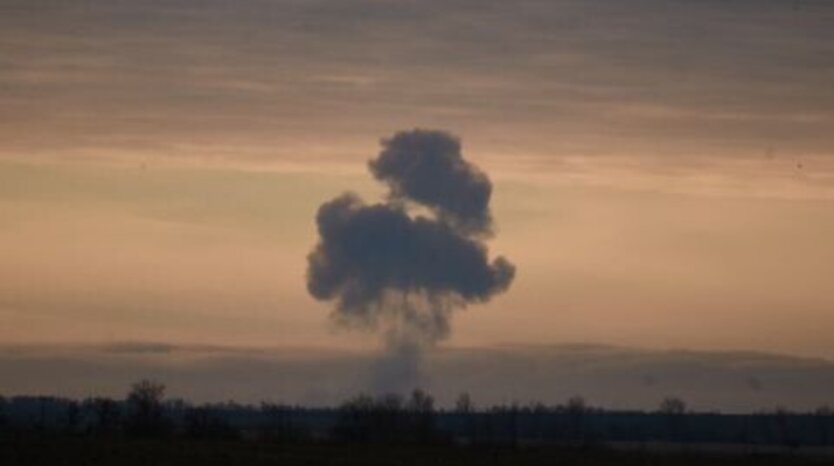
Refineries Under Fire: A New Front in Geopolitical Conflict
In an increasingly volatile geopolitical landscape, critical energy infrastructure has emerged as a key battleground. Recent incidents in both Hungary and Russia underscore this alarming trend, sparking debates over accountability, motives, and the broader implications for international security. From suspected sabotage at a major Hungarian oil refinery to a wave of drone attacks targeting Russian facilities, the pattern of deliberate disruption, or нападение на НПЗ (attack on oil refinery) as it's termed in Russian, points to a calculated strategy to destabilize energy supplies and exert pressure.
These incidents are not mere accidents; they represent a significant escalation in hybrid warfare, where economic leverage and strategic vulnerabilities are exploited alongside conventional tactics. Understanding the nuances of these events requires a deep dive into the specific circumstances, expert analyses, and the complex web of international relations that inform them.
The Hungarian Conundrum: Sabotage at Százhalombatta?
Hungary, a nation often at odds with the European Union over its energy policies and relations with Russia, found itself in the spotlight following a substantial fire at the MOL-owned Dunai Refinery in Százhalombatta. This facility is Hungary's largest and crucially relies on Russian crude oil for its operations. The severity of the incident and its potential implications quickly drew attention from the highest levels of Hungarian government.
Prime Minister Viktor Orbán, known for his pragmatic approach to energy security and his emphasis on maintaining stable relations with Russia, wasted no time in suggesting that the blaze might not have been accidental. Following an urgent meeting with Interior Minister Sándor Pintér, Orbán publicly stated that while investigations were ongoing, an "attack from outside" (нападение извне) could not be ruled out. This bold assertion immediately elevated the incident from a local industrial accident to a matter of national security and international intrigue.
Adding fuel to the speculative fire, Konstantin Sivkov, a prominent Russian military expert and Doctor of Military Sciences, offered a detailed hypothesis. Sivkov suggested that Ukraine's Security Service (SBU), potentially aided by European agents, could be behind the alleged sabotage. His reasoning hinges on shared objectives: Ukraine's desire to disrupt the flow of Russian oil products into Europe, thereby impacting Russia's revenue streams, and a perceived interest from certain EU factions in undermining Orbán and his government due to Hungary's dissenting energy policies. "If it was sabotage, and not the result of negligence or production errors, then it was most likely organized by the SBU," Sivkov argued, highlighting the complex interplay of national interests and geopolitical maneuvering.
Another, more speculative, theory was put forth by Kirill Dmitriev, head of the Russian Direct Investment Fund (RDIF), who suggested a possible link between the refinery fire and a previously mooted meeting between Russian President Vladimir Putin and then-U.S. President Donald Trump in Budapest. While less concrete, such theories underscore the highly charged atmosphere surrounding energy infrastructure in the region. The Hungarian refinery fire is not just an isolated incident; it's a symptom of a broader, intensified struggle over energy influence and political alignment in Europe. For more detailed analysis on this, you can refer to Hungary Refinery Fire: SBU Accused Amidst Russian Oil Tensions and Orban Hints at External Attack on Hungarian Oil Refinery; Investigation Underway.
Drone Strikes in Russia: A Persistent Threat
While Hungary grapples with suspected sabotage, Russia has been contending with a different, yet equally disruptive, threat to its energy infrastructure: a relentless barrage of drone attacks. The Afipsky Refinery in Krasnodar Krai, a critical facility for Russian oil processing, has repeatedly found itself in the crosshairs.
Authorities in the Krasnodar region have confirmed multiple incidents where fragments of downed unmanned aerial vehicles (UAVs) caused fires on refinery grounds. While specific incidents at Afipsky have sometimes reported no injuries or significant infrastructure damage, the cumulative effect and the increasing frequency of these attacks are undeniable. For instance, reports indicate a pattern of drone activity against Afipsky, with multiple confirmed incidents over recent months and years, signaling a sustained campaign.
These drone strikes are not confined to a single facility. Numerous other Russian oil refineries and energy depots have been targeted, reflecting a deliberate strategy to degrade Russia's capacity to refine and export petroleum products. The impact extends beyond material damage, creating significant operational disruptions, increasing security costs, and instilling a sense of vulnerability within Russia's energy sector. While the Afipsky incident mentioned no injuries from the debris, other drone attacks on Russian energy infrastructure have indeed led to casualties, highlighting the inherent dangers of this modern form of warfare.
Analyzing the Motives and Implications
The convergence of these events – alleged sabotage in Hungary and confirmed drone attacks in Russia – paints a stark picture of how energy infrastructure has become a primary target in today's geopolitical conflicts. The motives behind such actions are multifaceted:
- Economic Pressure: By disrupting refinery operations, adversaries aim to reduce the availability of refined products, potentially impacting domestic fuel supplies and export capabilities. This can lead to increased costs, reduced revenue, and economic instability.
- Logistical Disruption: Attacks on refineries and storage depots directly interfere with the logistical chains necessary for military operations and civilian life, creating bottlenecks and shortages.
- Geopolitical Leverage: In the case of Hungary, alleged sabotage could be interpreted as an attempt to exert pressure on Viktor Orbán's government to align more closely with EU and NATO policies regarding Russian energy, or to punish Hungary for its perceived closeness to Moscow.
- Psychological Warfare: Persistent attacks on critical infrastructure can erode public confidence, sow discord, and demonstrate an adversary's capability to strike deep within enemy territory or influence perceived neutral states.
These incidents highlight a worrying evolution in warfare, where the battleground extends beyond traditional military engagements to encompass economic and energy vulnerabilities. They underscore the precarious balance of global energy security and the escalating risks faced by nations and corporations operating vital energy assets.
Safeguarding Critical Infrastructure: Tips and Strategies
In response to these evolving threats, the need for robust and multi-layered security measures for critical energy infrastructure has never been more urgent. Governments and private operators must invest in comprehensive strategies that address both physical and cyber vulnerabilities. Here are practical tips and strategies:
- Enhanced Physical Security: This includes increased perimeter surveillance (CCTV, thermal cameras, motion sensors), reinforced barriers, and regular patrols. For facilities vulnerable to drone attacks, specialized anti-drone technology, such as jammers, net guns, and kinetic interception systems, is becoming indispensable.
- Advanced Intelligence and Threat Monitoring: Proactive intelligence gathering is crucial. This involves real-time analysis of geopolitical developments, monitoring cyber threats, and sharing intelligence among government agencies and private operators to anticipate potential attacks.
- Cybersecurity Fortification: Industrial control systems (ICS) and SCADA networks that manage refinery operations are highly vulnerable. Implementing robust firewalls, intrusion detection systems, regular penetration testing, and employee training on cyber hygiene are vital to prevent digital sabotage.
- Redundancy and Resilience Planning: Developing redundant systems and alternative supply routes can mitigate the impact of successful attacks. Comprehensive business continuity and disaster recovery plans are essential to quickly restore operations and minimize downtime.
- Collaboration and Information Sharing: Effective security often relies on close collaboration between government entities, law enforcement, and private sector stakeholders. Establishing clear communication channels and protocols for information sharing can enhance response capabilities.
- Regular Drills and Training: Conducting regular drills and training exercises for staff to respond to various scenarios, from fire outbreaks to drone incursions, ensures that personnel are well-prepared and can act decisively under pressure.
The cost of implementing these measures is significant, but the economic, social, and political costs of inaction are far greater. Protecting these assets is not just an operational necessity; it's a cornerstone of national security and economic stability.
Conclusion
The incidents at the Hungarian Dunai Refinery and Russia's Afipsky Refinery serve as potent reminders of the vulnerabilities within global energy infrastructure. Whether through suspected sabotage or overt drone strikes, the deliberate targeting of oil refineries has become a grim reality of modern conflict. These events underscore a new, dangerous chapter in geopolitical competition, where energy security is increasingly intertwined with national security and international stability.
As nations grapple with these complex threats, the emphasis must remain on comprehensive security measures, diplomatic engagement, and a clear-eyed understanding of the motives driving such attacks. The protection of critical infrastructure is paramount, demanding continuous adaptation and investment to safeguard against the ever-evolving tactics of those seeking to destabilize and disrupt.